
TL;DR
Indian NBFCs need voice AI built for regulated lending workflows, not generic call bots. The best platforms handle vernacular languages, code-switching, RBI-compliant calling windows, promise-to-pay capture, and human escalation for disputes. This article compares six AI voice agents for NBFCs across pricing, compliance readiness, Indian-language support, and real user sentiment. Awaaz AI leads for finance-first, multilingual NBFC deployments. Gnani.ai, Rezo.ai, Yellow.ai, Skit.ai, and Convin.ai serve different niches depending on enterprise size and immediate priorities.
Why NBFC Voice AI Is Not a Generic Purchase
NBFC gross advances crossed ₹48.38 lakh crore at end-March 2025 and reached ₹52.06 lakh crore by September 2025, according to the RBI’s banking trends report. Credit growth of 19.4% means more borrowers, more EMIs, more KYC follow-ups, and more collection calls. Most NBFCs cannot hire fast enough to keep up.
That is why operations and collections leaders are searching for the top AI voice agents for NBFCs. But this is not a simple software purchase. Every outbound call to a borrower touches RBI recovery-agent rules, TRAI/DLT consent frameworks, the Digital Personal Data Protection Act, and the emotional reality of someone managing debt. A voice agent that sounds polished in a demo but cannot enforce calling windows, cap retries, or escalate a distressed borrower is a compliance liability.
The right metric is not “how human does the demo sound.” It is compliance-adjusted cost per successful borrower contact: right-party contact rate, promise-to-pay capture, kept promise-to-pay, complaint rate, language success rate, and escalation quality.
If you need a finance-first vernacular voice agent for Indian borrowers, book a demo with Awaaz AI to see how it handles collections, KYC, and EMI reminder workflows.
Quick Comparison: Best AI Voice Agents for NBFCs
| Rank | Platform | Best For | Pricing Model | Indian/NBFC Fit | Public User Sentiment | Main Limitation |
|---|---|---|---|---|---|---|
| 1 | Awaaz AI | Finance-first multilingual NBFC voice automation | Pay-per-use credits per minute; tiered plans | High: 8+ Indian languages, code-switching, in-house telephony, BFSI templates | 3.8M customers served, 82% call engagement (self-reported); limited third-party reviews | Public pricing and independent review depth are limited |
| 2 | Gnani.ai / assist365 | Indian-language enterprise voice bots | Custom pricing based on usage | High: 7+ Indian languages, banking deployments | Gartner 4.0/5 (3 ratings); praised for human-like voice | Dialer integration costs; small public review base |
| 3 | Rezo.ai | Enterprise CX automation with KYC and QA | Quote-based; no free trial | Medium-High: Voice bots, QA, analytics for BFSI | G2 4.8/5 (10 reviews); users note expense | Opaque pricing; some users report bugs |
| 4 | Yellow.ai | Large enterprise omnichannel CX | Enterprise quote-based | Medium: Broad platform, not NBFC-specialist | G2 4.4/5 (106 reviews); 4-month avg. implementation | Overkill for focused NBFC collections; validate voice latency |
| 5 | Skit.ai | Established voicebot evaluation | Not public | Medium: Voice-first history in BFSI | G2 2.5/5 (3 reviews); mixed sentiment | Support complaints; reporting visibility issues |
| 6 | Convin.ai | QA, conversation intelligence, agent assist | Request quote | Medium: Strong QA layer for contact centers | G2 4.7/5 (549 reviews); financial-services validation | Stronger in QA than autonomous NBFC calling |
How We Ranked These Platforms
Most “top AI voice agents” listicles compare platforms on feature lists and demo quality. That approach fails NBFCs. A borrower who switches between Hindi and English mid-sentence, answers on a noisy mobile connection, and is already stressed about an overdue EMI will expose every weakness in a voice agent that looked great in a controlled demo.
Practitioners on Reddit confirm this. One builder who worked on a payment-reminder voice agent said collections is a “brutal use case” because borrowers are already tense and have almost no tolerance for awkward pauses or broken conversational flow. Another developer serving financial clients noted that the biggest bottleneck was not model quality but client questions around data residency and zero data retention.
We scored platforms across nine dimensions that matter in production:
- NBFC workflow depth (EMI reminders, DPD follow-up, PTP capture, KYC nudges, lead sourcing, onboarding, reactivation)
- Indian language and code-switching readiness (Hindi, Hinglish, regional languages, accents, noisy conditions)
- Compliance guardrails (RBI calling windows, script governance, retry caps, audit logs, escalation)
- Telephony and latency (p95 latency, interruption handling, concurrency, spam prevention)
- Integration depth (LMS, CMS, CRM, WhatsApp/SMS, payment links, complaint systems)
- Outcome analytics (right-party contact, PTP, kept PTP, repayment lift, complaint rate)
- Pricing predictability (per-minute clarity, hidden costs, pass-through charges)
- Public user sentiment (G2, Gartner, practitioner feedback)
- Pilotability (time to first call, demo access, pilot support)
Understanding why domain-specific NLU matters for financial conversations is essential context here. Generic speech models trained on customer-service data struggle with lending vocabulary, regional financial slang, and the structured intent patterns that collections calls require.
1. Awaaz AI
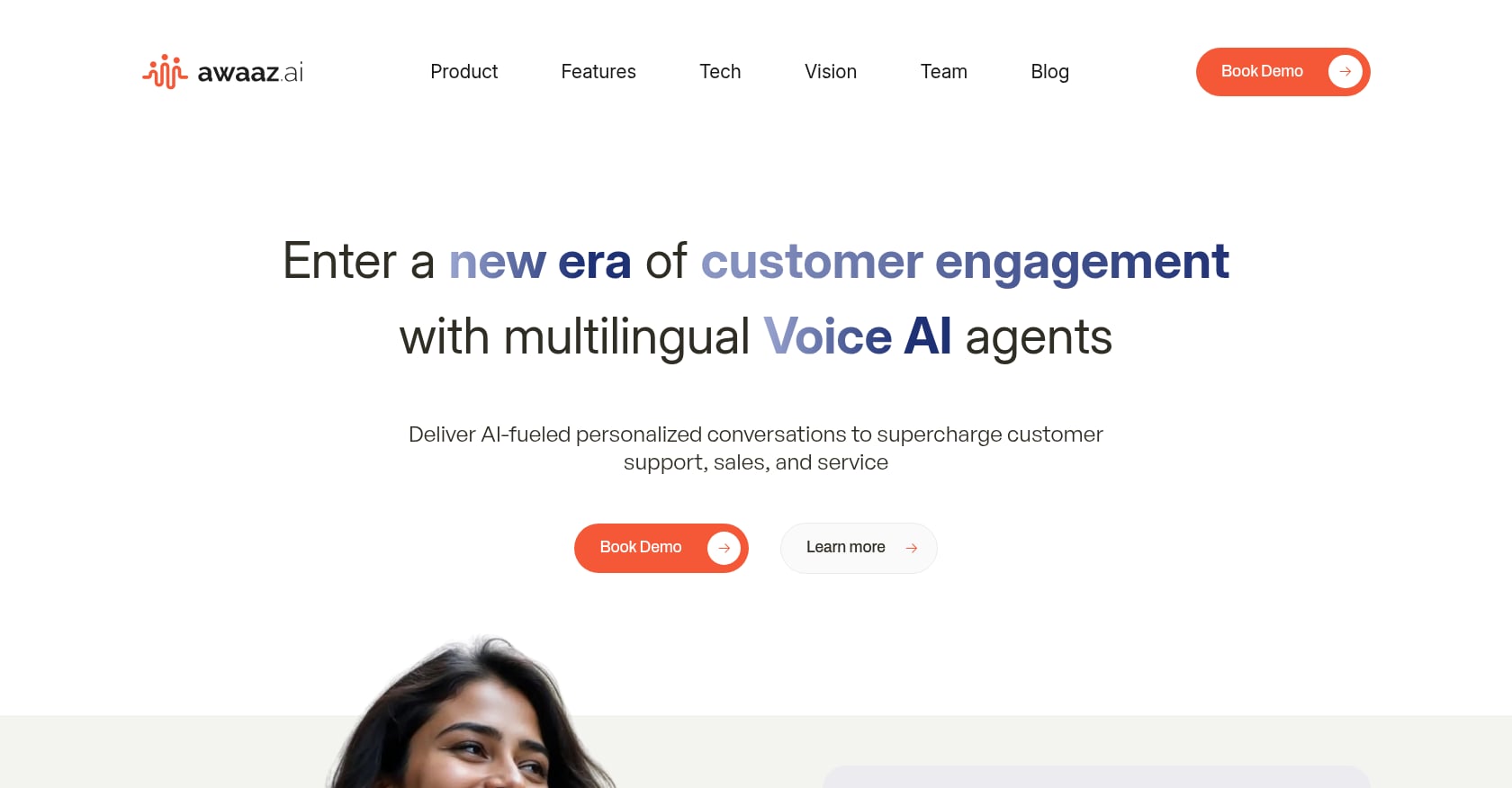
Best for: Indian NBFCs, MFIs, and small finance/lending teams that need multilingual, finance-first voice AI for collections, KYC follow-up, EMI reminders, borrower servicing, lead sourcing, and WhatsApp/SMS follow-up.
Pricing: Pay-per-use credits per minute of talk time. Four tiers: Starter, Standard, Growth, and Scale. Demo available. Exact plan economics require a conversation with the team.
Key Features
- Multilingual voice AI agents across phone calls, SMS, WhatsApp, and messaging channels
- Finance-first templates for sourcing, KYC, credit eligibility, collections, and retention
- 8+ languages with vernacular and code-switching support (including Hinglish)
- In-house telephony stack designed for low-latency calls at scale
- CRM/CDP integrations and APIs for data sync and downstream actions
- Human-in-the-loop escalation for disputes, distress, and sensitive conversations
- Reporting and analytics that structure call data into portfolio-level insights
- Opinionated NLU with fine-tuned language model agents, claiming >95% ASR/NLU accuracy
NBFC Use Cases
Awaaz AI is purpose-built for the workflows that consume most of an NBFC’s outbound call volume. Pre-due EMI reminders. DPD 0 to 30 soft follow-up with promise-to-pay capture. KYC and document nudge calls. Credit eligibility screening. Lead qualification within seconds of a form fill. Borrower reactivation campaigns. Post-disbursement servicing.
The platform’s historical lineage under Awaaz De includes microfinance voice payment receipts and IVR-based financial literacy deployments. That inclusive-finance background maps directly to MFI and small-ticket NBFC engagement patterns where borrowers may be semi-literate, prefer voice over text, and speak in regional languages.
Proof
Reported metrics include 3.8 million unique customers engaged in the last year, 82% call engagement rate, 60% cost reduction, and 2x conversions. The logo wall references names across banking and NBFC segments. Independent verification of all metrics and logos typically requires reference checks during sales.
Tradeoffs
- Public pricing is not fully transparent; requires a demo conversation
- Third-party public reviews (G2, Gartner) are sparse compared to larger platforms
- Public technical documentation appears lighter than developer-first voice stacks
- Some customer proof may require NDA-backed references
Verdict
Awaaz AI is the strongest starting point among top AI voice agents for NBFCs in India. It is built around the problems NBFC collections and CX teams actually face: vernacular borrowers, code-switching, low-latency phone calls, regulatory calling constraints, and the need for structured outcome data from millions of conversations. If your priority is finance-first voice automation with WhatsApp/SMS follow-up, this is where the evaluation should begin.
Explore Awaaz AI’s security and compliance posture before starting vendor evaluation.
2. Gnani.ai / assist365
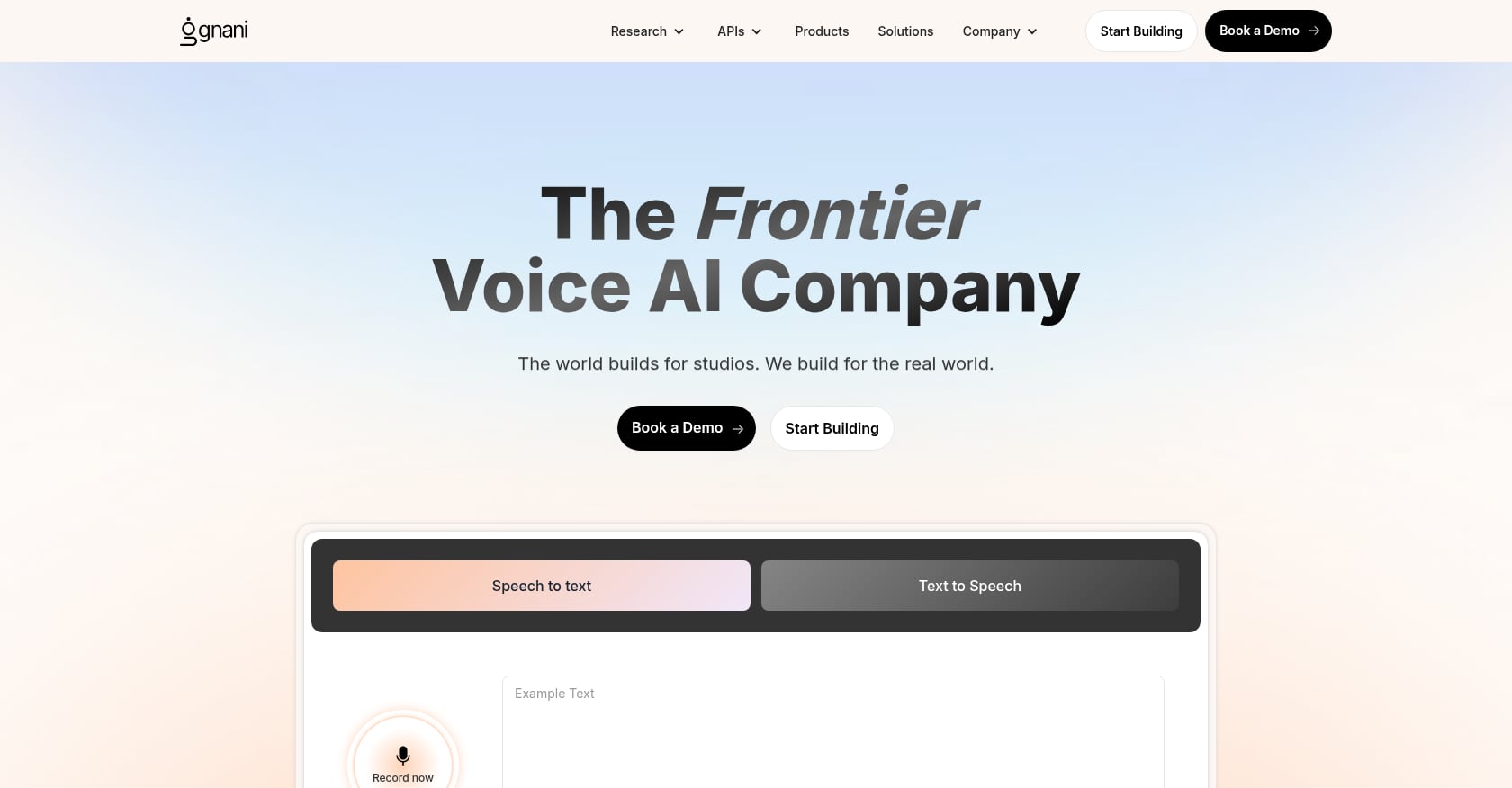
Best for: Indian-language enterprise voice bots where the buyer needs mature speech technology and can manage a custom enterprise rollout with careful dialer economics planning.
Pricing: Custom pricing based on usage, per Gartner Peer Insights. G2 confirms pricing details are not publicly available. Model total cost around usage volume, dialer/call costs, implementation, and support.
Key Features
- AI-powered conversational voice bot for end-to-end customer support automation
- Production-ready in English, Gujarati, Hindi, Kannada, Marathi, Tamil, and Telugu
- Real-time agent assistance with generative AI features (automated note-taking, call summarization, guided workflows)
- NLU/NLP engines supporting 20+ languages in the product description
User Sentiment
Gartner Peer Insights shows 4.0 out of 5 from 3 ratings. A banking reviewer praised the human-like voice interface and said Gnani was a “clear winner” after evaluating multiple vendors. However, Gartner’s key insights also flag challenges around dialer integration, dialer call costing, and lack of chat support.
Tradeoffs
- Public review volume is small, making broad sentiment hard to assess
- Custom pricing means procurement teams must model usage carefully upfront
- Dialer integration and associated costs need hard validation before signing
- Confirm whether the platform covers the full NBFC collections workflow (DPD-based calling, PTP capture, retry logic, RBI-compliant windows) or primarily serves voicebot and agent-assist use cases
Verdict
Gnani.ai belongs on the shortlist for Indian-language voice automation, particularly for enterprise BFSI teams that prioritize speech quality in regional languages. Pressure-test dialer economics, integration timelines, and collections-specific controls during evaluation.
3. Rezo.ai
Best for: Enterprise CX teams that want voice bots, QA, analytics, agent assist, and automation around KYC, loan processing, and contact-center operations in a single platform.
Pricing: Quote-based. Capterra lists “contact vendor for pricing” and confirms no free trial is available.
Key Features
- Unified CX platform with autonomous AI voice bots, intelligent QA, omnichannel capability, and real-time support
- Products include Engage AI, Analyze AI, and Agent Assist
- Features: activity dashboard, AI/ML, alerts/escalation, API, chatbot, code-free development, configurable workflow, CRM, and customer segmentation
- KYC automation capabilities, including extracting and comparing KYC data from Aadhaar, voter ID, and loan forms
User Sentiment
G2 shows 4.8 out of 5 from 10 reviews. One enterprise reviewer described how Rezo automated KYC authentication for loan processing. Another praised ease of implementation and support. On the other side, a reviewer called pricing “on higher side,” and some mention occasional bugs.
Tradeoffs
- Pricing is opaque and reportedly expensive compared to alternatives
- Need to validate Indian-language collection call depth, DPD workflows, promise-to-pay capture, and RBI recovery controls
- Enterprise implementation may require services-heavy onboarding
- 10 reviews is a thin public sample
Verdict
Rezo.ai is a credible enterprise CX automation option, especially where NBFC teams want voice automation plus QA and analytics under one roof. Less attractive for buyers who need transparent pricing or a fast, lightweight collections pilot.
4. Yellow.ai
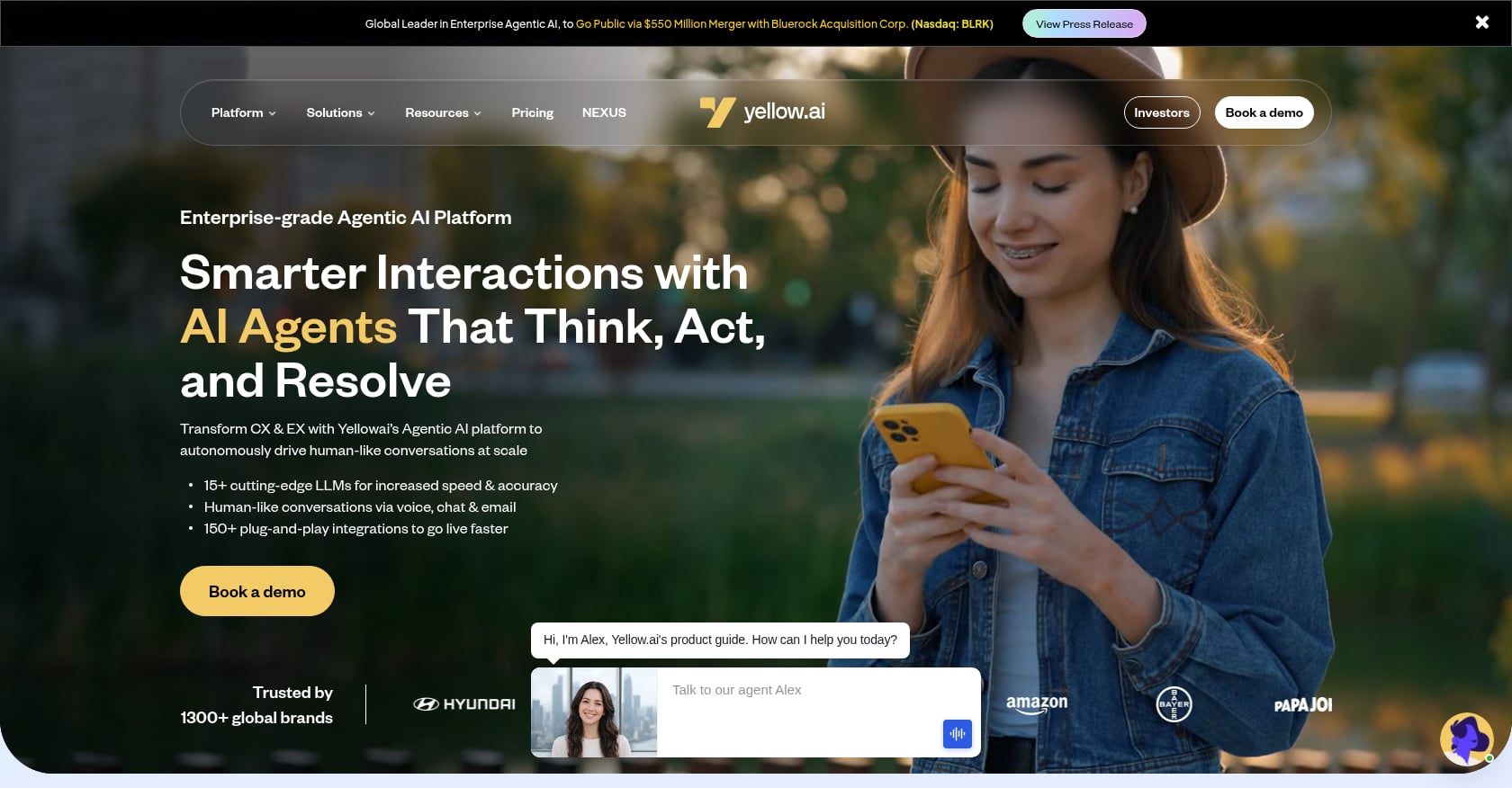
Best for: Large enterprises with broad omnichannel CX needs, multi-country operations, and the implementation bandwidth to configure a general-purpose conversational AI platform for specific NBFC workflows.
Pricing: Enterprise quote-based. Not publicly visible. G2 reports average implementation time of 4 months and average ROI timeline of 14 months.
Key Features
- Generative AI-powered customer service automation across many channels and languages
- Covers bot platforms, WhatsApp marketing, customer service automation, live chat, and conversational interface agents
- NLP, multichannel support, integrations, and analytics
- Scalable for high-concurrency enterprise deployments
User Sentiment
G2 shows 4.4 out of 5 from 106 reviews, the largest public review base in this list after Convin. Users praise ease of use, intuitive interface, customer support, and integrations. Some note limited customization options and a learning curve.
Tradeoffs
- Not NBFC-specialist by default; requires significant configuration for collections-specific workflows
- 4-month average implementation means this is not a quick pilot option
- 14-month average ROI timeline may not suit NBFCs with immediate collections pressure
- Validate Indian borrower-language voice performance, recovery-call compliance, and telephony latency separately
- Overkill for NBFCs that only need EMI reminders, KYC nudges, and early-bucket collections
Verdict
Yellow.ai is strong for enterprise omnichannel CX, but broad conversational AI does not equal collections readiness. An NBFC buyer should validate RBI recovery controls, LMS/CMS integrations, and vernacular voice performance on actual borrower calls before shortlisting it for collections or servicing.
5. Skit.ai
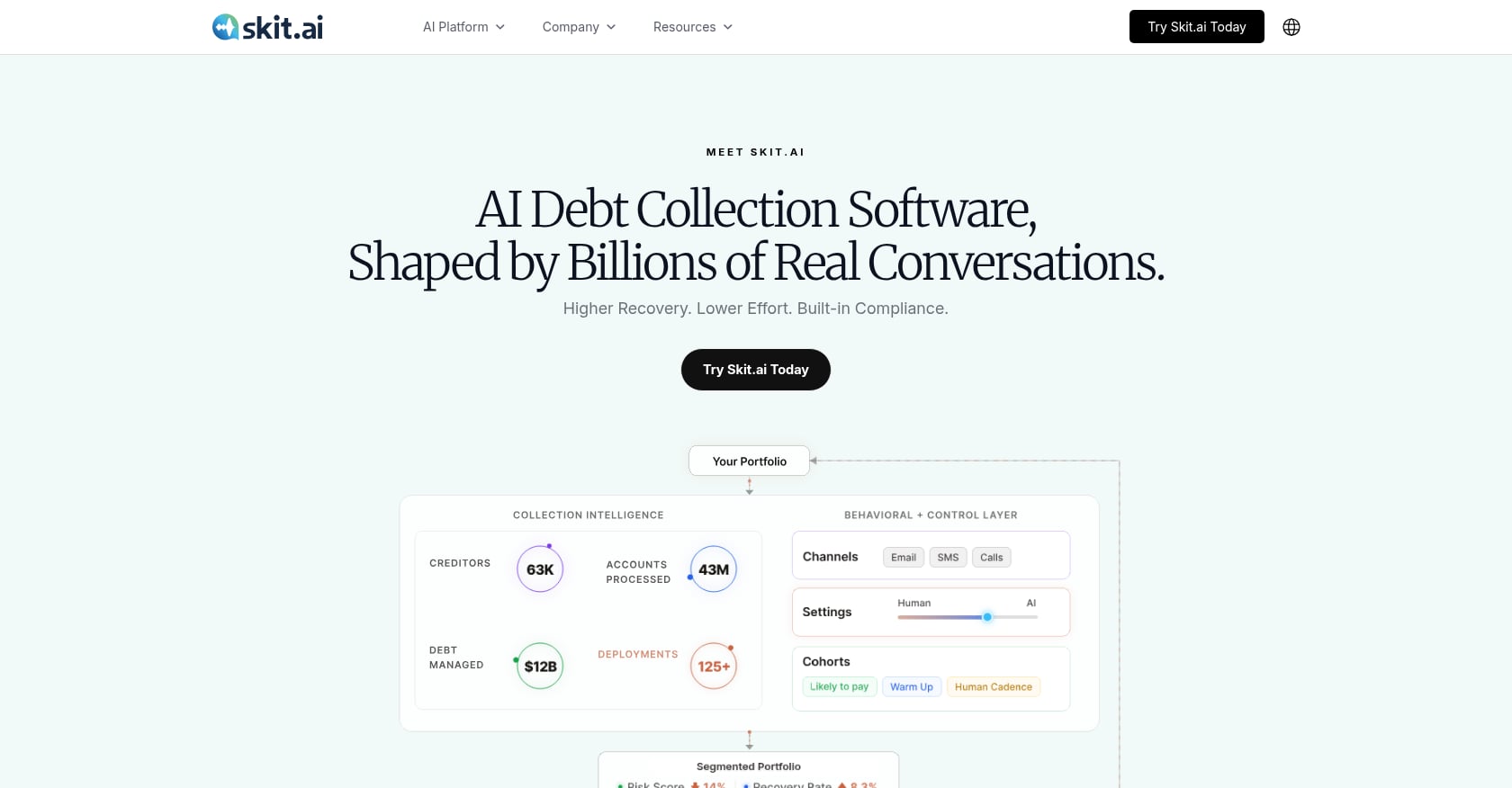
Best for: Teams that want to include an established voice-first automation vendor in the evaluation set, but only if support quality, reporting visibility, and deployment timelines are tested hard during the proof-of-concept.
Pricing: Not public. G2 confirms pricing details are unavailable. Request a quote and ask specifically about deployment timeline, support SLA, reporting access, and the change-request process.
Key Features
- Voice-first Augmented Voice Intelligence platform
- Drag-and-drop conversational flow building
- Real-time conversational analytics
- ROI and voice-of-customer insights
- Agent-side dashboard for customer conversation context
User Sentiment
G2 shows 2.5 out of 5 from 3 reviews, a small but visibly mixed public profile. One reviewer praised advanced NLP, CRM integrations, and security, but noted differences between what was promised and what was delivered. Another complained about lack of support, poor UI/reporting visibility, dependence on customer-success managers for changes, weeks-long turnaround for modifications, and failure to meet ROI expectations.
Tradeoffs
- Public review sentiment is the weakest in this comparison
- Support responsiveness and reporting transparency appear to be risk areas based on user feedback
- Small review sample makes it hard to draw broad conclusions, but the complaints are specific enough to take seriously
- Buyer should request admin access demos, sample dashboards, change-request SLAs, and references from similar NBFC deployments
Verdict
Skit.ai should be evaluated carefully rather than dismissed outright. Its voicebot history in BFSI is real. But for NBFCs, where collections workflows need fast script tuning and audit-ready transparency, the support and visibility complaints on G2 are concerning. Run a strict proof-of-concept with clear success criteria.
6. Convin.ai
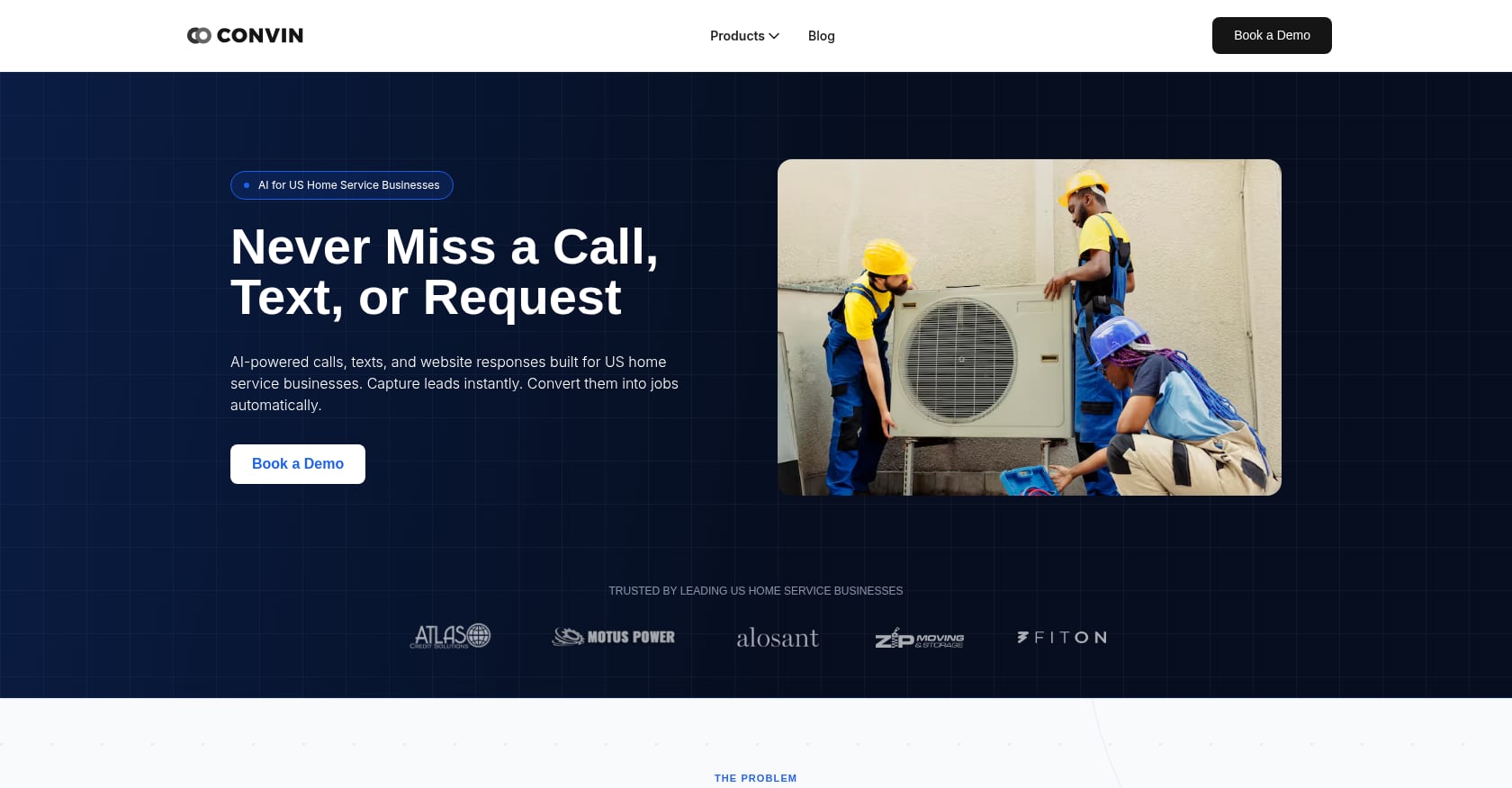
Best for: NBFC contact centers where the immediate problem is QA, conversation intelligence, agent coaching, and call analytics, either before or alongside an autonomous voice-agent rollout.
Pricing: Request quote. Verify whether pricing is structured by seats, minutes, QA volume, recordings analyzed, agent-assist usage, or autonomous call volume.
Key Features
- AI-backed full-stack conversation QA platform for contact centers
- Automates 100% call quality auditing
- Auto-creates personalized coaching instances
- Covers contact center quality assurance, conversation intelligence, and speech analytics
- CRM and telephony integration
User Sentiment
G2 shows 4.7 out of 5 from 549 reviews, by far the largest public review base in this comparison. A verified financial-services reviewer in May 2026 praised rapid innovation including automation, voice agents, automated customer-interaction analysis, real-time agent assistance, and call quality analysis.
Tradeoffs
- Convin appears stronger as a QA and conversation intelligence layer than as a pure autonomous NBFC collections voice agent
- Validate whether autonomous outbound calling, PTP capture, retry logic, RBI calling windows, and vernacular borrower conversations are native capabilities or require custom work
- High G2 rating reflects QA/analytics satisfaction, which may not translate to autonomous voice-agent performance
Verdict
Convin.ai is the right choice if the NBFC’s immediate problem is understanding what happens on existing calls: compliance monitoring, agent performance, and coaching. If the goal is fully autonomous EMI reminders and collections calls, validate the voice-agent layer separately from the QA product.
What NBFCs Should Automate First
Not every workflow is ready for full automation. Start with structured, low-risk, measurable use cases and expand from there.
Recommended order:
-
Pre-due EMI reminders. Low risk, structured, clear next action. This is the safest starting point among AI voice agents for NBFCs. Learn more about automated payment reminder strategies that work in Indian lending.
-
DPD 0 to 7 soft follow-up. Confirm payment status, collect reason for delay, capture promise-to-pay, send payment link via WhatsApp or SMS.
-
Document and KYC nudges. Ask for missing documents, explain next steps, route exceptions to human agents.
-
Application status calls. Reduce inbound volume and drop-offs during loan processing.
-
Lead sourcing and qualification. Call within seconds of form fill, qualify intent, hand off warm leads.
-
Reactivation and renewal calls. Structured, campaign-based, measurable.
What Should Never Be Fully Automated
Disputes. Hardship assessment. Settlement negotiation. Legal threats. Fraud-sensitive conversations. Vulnerable borrower handling. Complaints. Any flow involving sensitive credentials.
A discussion in an r/n8n thread about call-center voice agents illustrated this well: the payment capture piece “became tricky,” and the team built a DTMF fallback for sensitive information instead of capturing bank details through open voice. Do not let an AI agent casually collect PAN, Aadhaar, bank details, OTPs, or payment credentials unless legal and security teams have approved the flow. Use masked DTMF input, secure payment links, or human handoff.
For a detailed walkthrough of building an AI collections pilot, including metrics and stop-loss criteria, the linked guide covers what to measure and when to pause.
Compliance Checklist: RBI, TRAI/DLT, and DPDP
This is where most “top AI voice agents for NBFCs” articles fail. They say “RBI compliant” without explaining what that actually means in production. Here is what matters.
RBI Recovery-Agent Rules
RBI’s August 12, 2022 circular is clear: regulated entities remain responsible for outsourced recovery agents. The circular prohibits intimidation, harassment, public humiliation, privacy intrusion, threatening or anonymous calls, repeated calling, false representations, and calls before 8:00 a.m. and after 7:00 p.m. for overdue-loan recovery. This applies to all NBFCs, including housing finance companies.
AI voice agents do not remove lender accountability. An NBFC must govern AI call scripts, calling windows, retry logic, escalation, recordings, and complaint handling as tightly as (or more tightly than) human recovery agents. Bad retry logic can scale harassment. Good AI governance can cap attempts, prevent off-script threats, avoid third-party disclosure, and route distressed borrowers to humans.
A note on accuracy: at least one competing article states calls must be between “7 AM and 7 PM.” The RBI circular says 8:00 a.m. to 7:00 p.m. Get the details right.
TRAI/DLT Governance
TRAI’s TCCCPR 2018 framework protects consumers from unsolicited commercial communication. A blockchain-based DLT ecosystem requires commercial promoters and telemarketers to register and obtain customer consent for promotional messages.
Avoid simplistic claims like “all recovery calls are exempt from DND.” NBFCs should validate voice, SMS, and WhatsApp outreach classifications with compliance and legal teams. Ensure consent, DLT, header/template, and telemarketer registration workflows are handled correctly.
DPDP Act Controls
India’s Digital Personal Data Protection Act, 2023 requires consent to be free, specific, informed, unconditional, unambiguous, and purpose-limited. Consent requests must be in clear, plain language accessible in English or Eighth Schedule languages.
For NBFC voice AI, DPDP is a data-governance and vendor-contracting issue: purpose binding, no secondary use, consent logs, deletion/retention logic, processor instructions, and audit rights. Ask every vendor whether call recordings and transcripts are used for model training, and whether that can be disabled.
Must-Have Controls Checklist
- Automatic enforcement of RBI calling windows (8 a.m. to 7 p.m. for recovery calls)
- Retry caps by account, borrower, product, and DPD bucket
- Clear bot self-identification at the start of every call
- Script locking after compliance approval
- Prevention of improvised statements on settlement, penalty waiver, or legal consequences
- Escalation triggers for complaint, dispute, distress, medical hardship, legal threat, identity mismatch
- Full call recordings, transcripts, disposition logs, timestamps, script versions, and escalation events
- TRAI/DLT registration, consent, and template compliance
- DPDP-aligned data handling in vendor contracts
For a deeper dive into AI debt collection compliance, including script governance and escalation design, the linked guide covers each control in detail.
How to Model Total Cost for NBFC Voice AI
Most vendors in this space do not publish simple self-serve pricing. Costs depend on call volume, minutes consumed, implementation complexity, integrations, languages, telephony, WhatsApp/SMS usage, call recording storage, support SLAs, analytics modules, and concurrency.
Pricing Models You Will Encounter
Per-minute pricing. Best for variable call volumes. Watch for telephony, STT/TTS, LLM, recording, and support pass-through costs that sit on top of the headline rate.
Monthly or annual platform fee. Common for enterprise CX suites. May include limited usage with overage fees beyond the cap.
Managed-service pricing. The vendor manages campaign operations, reporting, and tuning. Good for teams without internal AI ops, but less flexible.
Hybrid pricing. Platform fee plus per-minute plus setup plus support plus integration. The most common structure among the top AI voice agents for NBFCs.
Hidden Costs to Budget For
Telephony minutes. DLT registration and telemarketer setup. WhatsApp and SMS template/message charges. STT/TTS/LLM pass-through. Call recording and transcript storage. Number rental and caller ID reputation management. LMS/CMS/CRM integration work. Professional services for script customization. Human escalation staffing. Ongoing prompt and script tuning. QA and audit exports. Language-specific testing. Data residency or dedicated deployment requirements. Support SLA upgrades. Concurrency limits during month-end volume spikes.
The Right Metrics for Comparison
Do not compare vendors only on cost per minute. Compare:
Cost per successful right-party contact = Total campaign cost divided by verified borrower conversations.
Cost per kept promise-to-pay = Total campaign cost divided by borrowers who actually paid after giving a PTP.
Compliance-adjusted recovery ROI = Incremental recovery value minus AI cost minus escalation cost minus complaint/compliance cost.
These metrics separate platforms that generate real recovery outcomes from platforms that just make a lot of calls.
Pilot Design: How to Test Before Rollout
Run a structured pilot before committing to any vendor. Here is a template that works.
Duration: 2 to 4 weeks.
Sample: 3,000 to 10,000 calls if volume allows.
Use case: One low-risk flow first, such as pre-due reminders or DPD 0 to 7 follow-up.
Holdout group: Keep a control group handled by the existing process.
Segments: Split by language, product, region, DPD bucket, ticket size, and repayment history.
Scripts: Compliance-approved before a single call goes out.
Escalation: Live human escalation for dispute/distress, active from day one.
Stop-loss: Pause the pilot if complaint rate, wrong-party contact, or escalation failure crosses a predefined threshold.
Review pack: Require the vendor to deliver transcripts, recordings, dispositions, latency metrics, language performance breakdowns, and failed-call analysis.
Pilot Metrics That Matter
| Metric | Why It Matters |
|---|---|
| Connection rate | Shows dialer/telephony quality |
| Right-party contact rate | Better than raw call connects |
| Completion rate | Shows borrower willingness to stay on call |
| PTP capture rate | Core collections output |
| Kept PTP rate | Better than promises alone |
| Payment-link click rate | Measures follow-through |
| Roll-forward / rollback rate | Shows portfolio impact |
| Escalation rate | Shows workflow boundary quality |
| Complaint rate | Compliance and reputation signal |
| p50 / p95 latency | Shows production voice quality |
| ASR/NLU accuracy by language | Prevents averages hiding regional failures |
| Cost per right-party contact | More useful than cost per minute |
| Cost per kept PTP | Best unit-economic metric for collections |
Test on real conditions. Noisy Indian mobile connections, regional accents, code-switched answers, interruptions, silence, and anger. A voice agent that works in a quiet demo room but breaks in production is worthless.
For a step-by-step version of this, the voice AI pilot checklist for NBFCs covers each phase in more detail.
Buyer Questions to Ask Every AI Voice Agent Vendor
Use this checklist during vendor evaluation. These questions separate production-ready platforms from demo-ready ones.
Compliance and Governance
- Can the platform enforce RBI recovery calling windows automatically?
- Can retries be capped by account, borrower, product, and DPD bucket?
- Does the bot identify itself clearly at the start of every call?
- Can scripts be locked after compliance approval, preventing AI improvisation on settlement, penalty waiver, or legal consequences?
- What happens when the borrower disputes the loan or says they are in distress?
- Can recordings, transcripts, dispositions, escalation logs, and script versions be exported for audit?
Data and Security
- Where are calls, transcripts, and embeddings stored?
- Are call recordings used to train the vendor’s models? Can this be disabled?
- Who are the subprocessors?
- Can the vendor support Indian data residency if required?
- What is the data retention and deletion policy?
- Does the vendor hold SOC 2, ISO 27001, or equivalent certifications? Ask for certificates, not just logos.
Language and Speech
- Which Indian languages are production-ready, not just demo-ready?
- Can the agent handle Hinglish and code-switching mid-sentence?
- What are ASR and NLU accuracy metrics broken down by language?
- Can testing be done on actual borrower call recordings?
Telephony
- Does the vendor own the telephony stack or rely on a CPaaS partner?
- What is p95 latency in production?
- How does the system handle barge-in, interruptions, and angry callers?
- How is spam/fraud labeling on caller IDs prevented?
Integrations
- Can the platform integrate with your collection management system?
- Can it write back PTP, dispute, callback request, language preference, and repayment intent?
- Can it trigger WhatsApp/SMS payment links after calls?
- Can it create callback tasks for human agents and update collections queues in real time?
Pricing
- What is included in the per-minute price?
- Are telephony, LLM, STT, TTS, WhatsApp, SMS, recordings, and analytics included or pass-through?
- Is there a setup fee or minimum monthly commitment?
- What happens during month-end volume spikes? Are there concurrency surcharges?
A community thread on r/VoiceAutomationAI noted that NBFC and bank buyers should ask for reference calls, compliance-reviewed scripts, and redacted production call packs, not just demo recordings. That advice is worth following.
Final Recommendation
For Indian NBFCs evaluating the top AI voice agents for NBFCs, the choice depends on what problem you are solving first.
Choose Awaaz AI if the priority is finance-first voice automation for Indian borrowers. Vernacular and code-switching support, low-latency phone conversations, voice plus WhatsApp/SMS workflows, BFSI templates, and human escalation make it the strongest fit for NBFCs, MFIs, and small finance lending teams.
Choose Gnani.ai if Indian-language enterprise voicebot maturity is the primary filter and the team can manage custom pricing and integration.
Choose Rezo.ai if the buyer wants enterprise CX automation, KYC automation, and QA/analytics in one program, and can absorb quote-based pricing.
Choose Yellow.ai if the buyer is a large enterprise with broad omnichannel needs and the implementation budget and timeline to support a 4-month rollout.
Evaluate Skit.ai carefully if voicebot history matters, but make support responsiveness and reporting transparency hard requirements in the POC.
Choose Convin.ai if the immediate problem is QA, agent coaching, and conversation intelligence around existing human call centers.
Do not buy a generic voice bot for NBFC collections. Buy for compliance-adjusted recovery outcomes: right-party contact, promise-to-pay capture, kept promise-to-pay, complaint rate, language success rate, escalation quality, and cost per successful contact.
Start your evaluation with Awaaz AI to see how finance-first voice automation works for Indian NBFCs.
Frequently Asked Questions
What is an AI voice agent for NBFCs?
An AI voice agent for NBFCs is a phone-based conversational system that can call or answer borrowers for structured workflows: EMI reminders, KYC follow-up, application status, document nudges, early delinquency outreach, callback scheduling, and customer routing. The safest systems stay inside approved scripts, log every outcome, and escalate disputes or sensitive conversations to human agents.
Are AI collection calls legal for NBFCs in India?
AI collection calls can be used, but only with the same or stronger governance expected for human or outsourced recovery agents. RBI’s recovery-agent circular prohibits harassment, privacy intrusion, threatening calls, repeated calling, false representations, and calls before 8:00 a.m. or after 7:00 p.m. for overdue-loan recovery. NBFCs remain fully responsible for outsourced agents and service providers, including AI systems.
What is the best first use case for an NBFC voice agent?
Pre-due EMI reminders and DPD 0 to 7 soft follow-up are the safest starting points. These workflows are structured, low-risk, and measurable. Avoid starting with settlement negotiation, dispute handling, hardship assessment, or any flow where a wrong word creates regulatory or reputational risk.
How should NBFCs compare AI voice agent pricing?
Compare by cost per successful right-party contact and cost per kept promise-to-pay, not just cost per minute. Include platform fees, telephony, STT/TTS/LLM charges, WhatsApp/SMS, setup, support, storage, audit exports, integrations, and human escalation cost. Most top AI voice agents for NBFCs use custom or quote-based pricing, so request detailed breakdowns before comparing.
Why do Indian languages and code-switching matter for NBFC voice AI?
Many Indian borrowers switch between languages during normal speech, especially Hindi-English mixes like Hinglish. A voice agent that performs well only in clean English or standard Hindi demos will fail on live borrower calls. NBFCs should test language performance by region, product, borrower segment, and call type, not rely on vendor-reported accuracy averages.
What should an NBFC never let an AI voice agent handle alone?
Legal threats, disputes, hardship assessment, settlement negotiation, fraud-sensitive conversations, vulnerable borrower situations, and sensitive credential or payment capture. These should always trigger secure flows (DTMF input, payment links) or immediate human escalation. AI can enforce guardrails, but only if the guardrails are configured correctly.
How long does a typical NBFC voice AI pilot take?
A focused pilot on a single use case (such as pre-due reminders) typically runs 2 to 4 weeks with 3,000 to 10,000 calls. Budget additional time for script approval, integration testing, and post-pilot analysis. Some vendors can get the first call out within days; others require weeks of setup.
Can AI voice agents integrate with NBFC loan management systems?
Yes, but integration depth varies significantly between vendors. The critical capabilities are writing back promise-to-pay data, dispute flags, callback requests, and repayment intent to the LMS or CMS in real time. Also verify whether the platform can trigger WhatsApp/SMS payment links after calls and create follow-up tasks for human agents. Ask for integration documentation and reference deployments during evaluation.